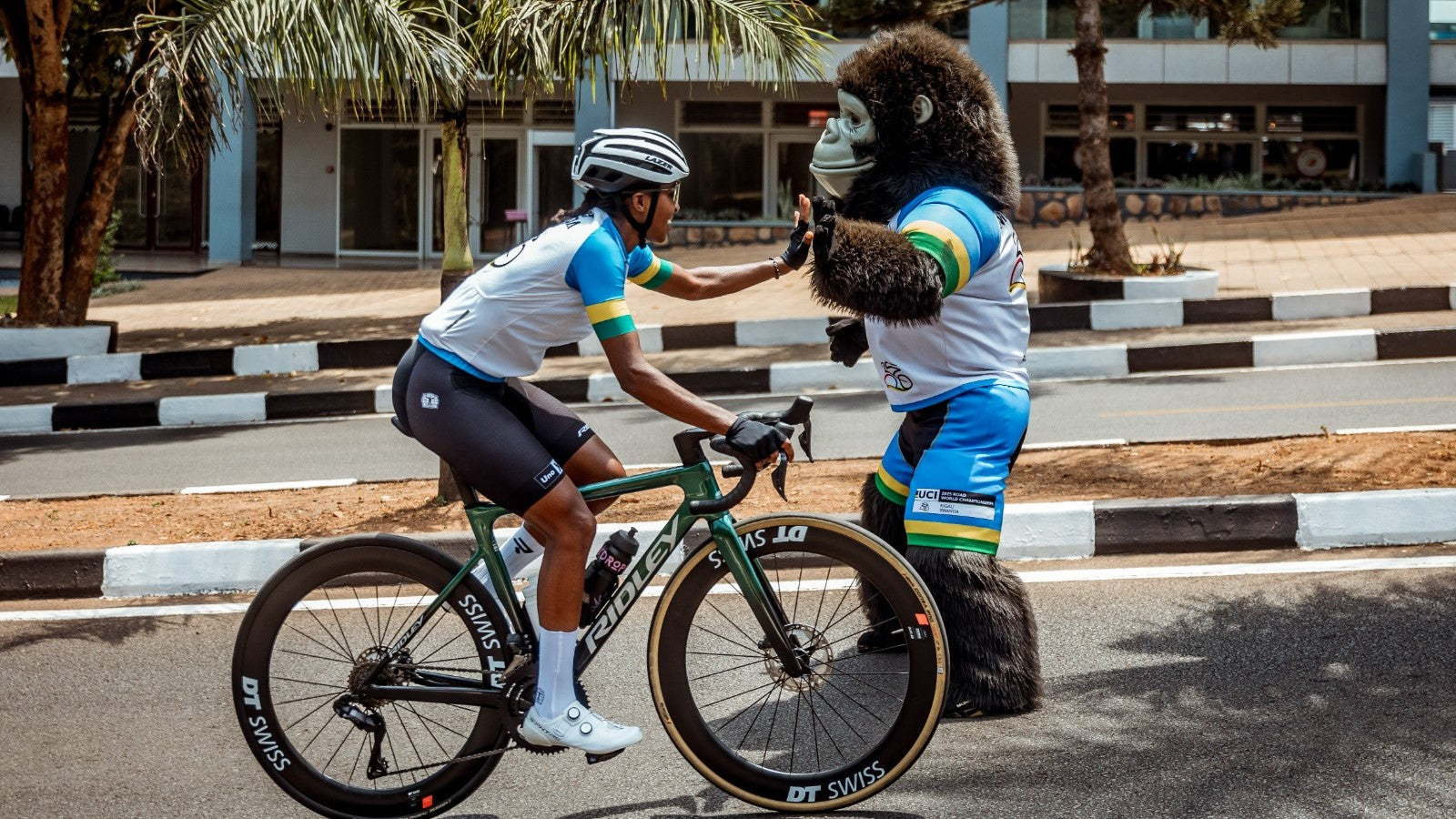
The UCI Road World Championships in Rwanda begin on Sunday, and as cyclists and teams from around the world head to the African nation, a series of measures have been put in place for competitors to stay healthy during the week-long event.
The first World Championships to be held in Africa present their own challenges, aptly described by Belgian team doctor Kris Van der Mieren, who said: "We started preparing for this a year ago."
Van der Mieren described several steps the Belgian team is taking in Rwanda to pursue new titles with Remco Evenepoel. "Vaccination is not mandatory, but it is strongly recommended. There was practically no discussion; everyone did it," Van der Mieren said.
Team members have received several vaccinations, including against Hepatitis A, tetanus, diphtheria, whooping cough, polio, measles, mumps, rubella, and typhoid.
Evenepoel was vaccinated last winter to avoid any potential side effects that could disrupt his racing calendar. He and his teammates – as well as the team staff – are taking malaria tablets every evening and will continue to do so for a week after the races conclude.
"Most tropical diseases are transmitted by mosquitoes. Prevention is key," said Van der Mieren. "This means spraying and using sunscreen 24/7. I recommend everyone wear light-colored clothing – it repels mosquitoes more than dark clothing."
The precautions are not limited to vaccines and tablets. Additional measures are being taken to prevent the potential spread of diseases, such as a ban on handshakes and bringing twice the usual amount of disinfectant.
The team also avoids using local tap water. They have plenty of bottled water, and boiled water is also widely used for cooking, washing vegetables, and making ice.
"The quality of the water is not guaranteed. So we are not taking any risks. It's fine for washing, but for everything else, we use bottled water or boil the water," said Van der Mieren. "One of our team members, Andy Heindryckx, runs his own catering business at home and is quite obsessive about hygiene. A refrigerator left open too long, a buffet at the wrong temperature, improperly washed vegetables or fruit – Andy keeps an eye on everything."
Van der Mieren's biggest fear is rabies, even if the probability of someone contracting the deadly virus next week seems minimal.
"It's my biggest fear. Actually, my only real fear," he said. "The chance of someone being bitten by a rabid dog is small, but if it happens and the bite is serious, an emergency protocol is immediately triggered. Then there is immediate repatriation. An untreated infection always ends in death, but if it is detected quickly and treated intensively with the right medication and wound care immediately, it does not have to end in death. But that is already the job of specialists."